
Window and Seal Servicing
There is nothing worse than having a leak in your RV, motorhome, camper or caravan. We can help you fix it. And help you prevent leaks in the future.
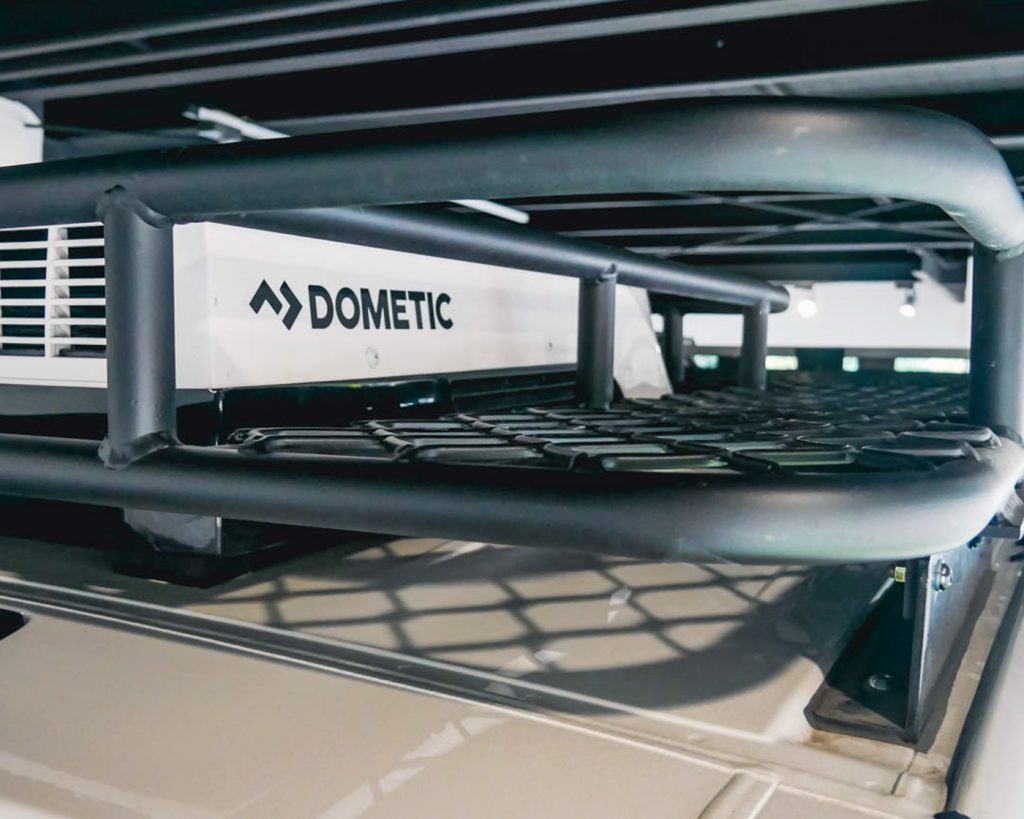
Keep your seals working
Your motorhome or caravan is only as watertight as its seals. Over time, sun, weather and road vibration wear them down, and even a tiny gap can lead to leaks, mould and expensive repairs. Here’s what you need to know about when to replace your seals and the best way to do it.
How often should motorhome and caravan seals be replaced? Motorhome and caravan seals should be replaced every 5 years. This applies to the seals on windows, hatches, roof vents, fans, air conditioning units and any other fitting on your vehicle. Worn seals let in water, which can lead to leaks, mould and costly structural damage.
What is the best way to replace caravan and motorhome seals? Our experts can replace your existing seals with Thermoshield. When professionally installed by our team, Thermoshield is backed by a 10-year guarantee, giving you long-lasting protection and peace of mind on every trip.
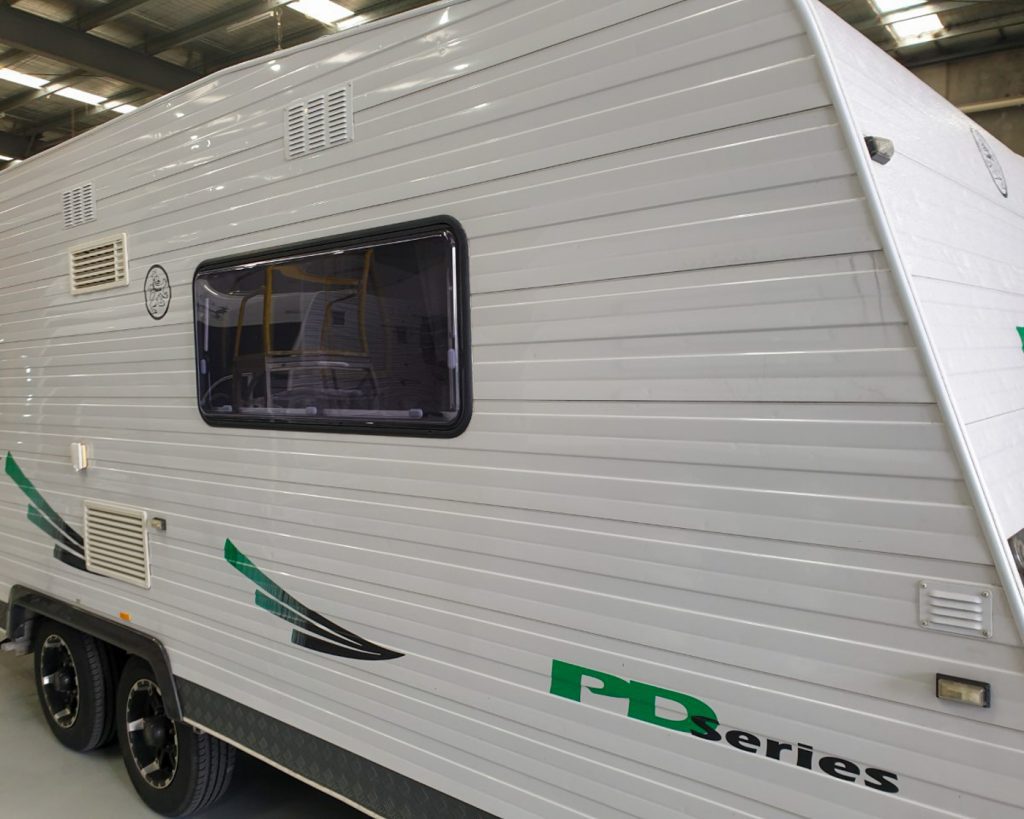
Window Leaks
Motorhome and caravan windows come in all shapes and sizes, which makes them tricky to repair or replace. A faulty seal can let in leaks, drafts and moisture, and that can lead to costly damage over time.
Skip the DIY stress. Our team repairs and replaces caravan and motorhome windows, and we make sure every one is weather-sealed and watertight, so you can hit the road with confidence.
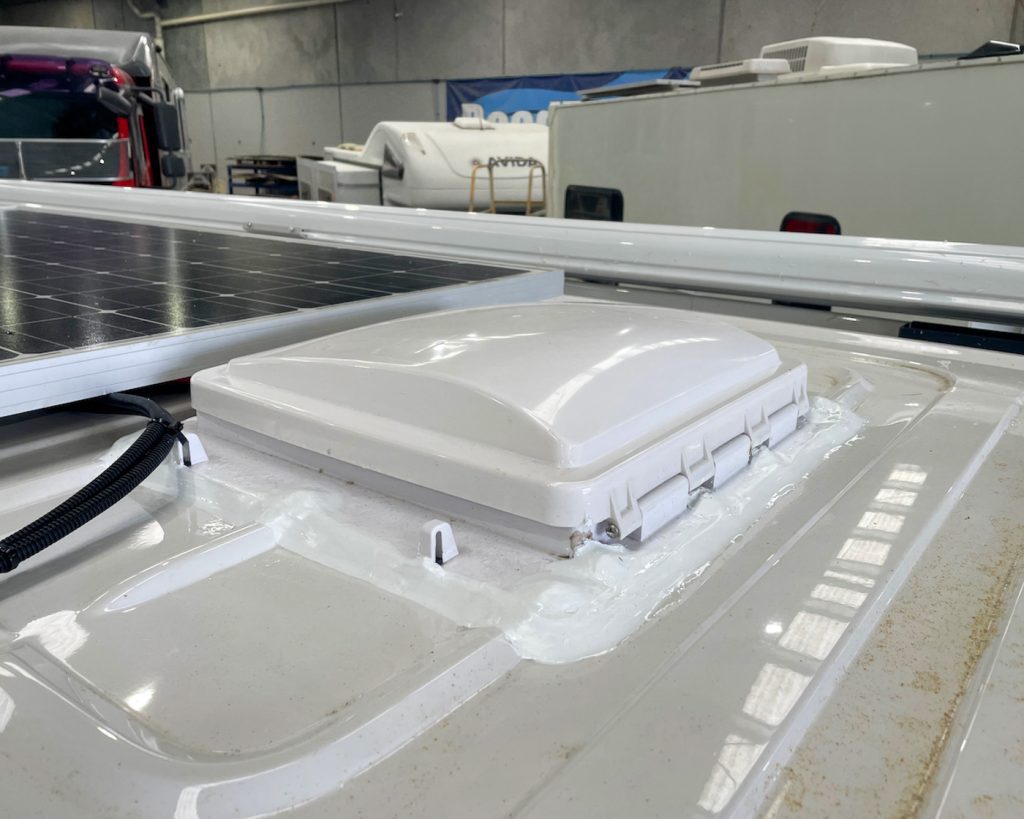
Leaking fans and Vents
Why is airflow important in a caravan or motorhome? Good ventilation stops moisture building up inside your caravan, motorhome, camper or RV. Without it, condensation can lead to mould, mildew and water damage that spreads through walls, roofing and flooring.
Already spotted damp, mould or leaks? Our team repairs water damage, removes mould and mildew, and reseals roofs, windows and seams to keep your vehicle dry, safe and protected.
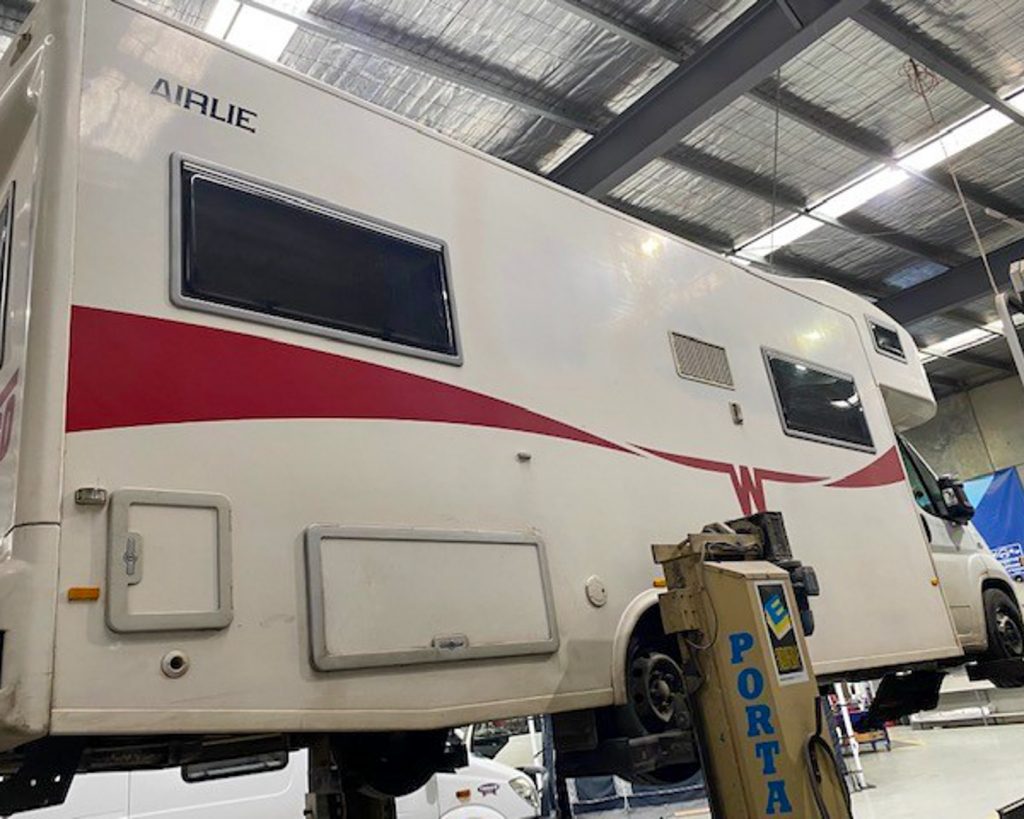
Door seals
A caravan or motorhome door that doesn’t close properly can let in water and cause costly damage to your home on wheels. Water leaks around a faulty door seal, hinge or latch can lead to mould, rot and structural problems if left unfixed.
Caravans, RVs, campers and motorhomes come in all shapes and sizes, so finding the right replacement door parts can be tricky. We make it simple. Browse our range of door seals, hinges, locks and latches to find the right fit for your caravan or motorhome, and get your door sealed tight again.
Frequently Asked Questions
Water ingress is the single greatest threat to your RV’s structural lifespan. Silicones and rubber seals degrade over time due to intense UV exposure and physical chassis flexing on the road. Servicing these seals prevents water from creeping into your walls and rotting your structural frame.
We recommend a complete exterior seal inspection every 12 months, ideally after returning from any extended trip on rough, unsealed roads, where high vibration can accelerate seal separation.
Look for visible cracking, shrinking, or peeling of the sealant beads, black mould spots around window frames, musty internal smells, or water staining on interior wall linings. On the road, a whistling wind noise from a window also indicates a failed rubber seal.
No, you should never use household silicone. Standard hardware-store silicone contains acetic acid, which can corrode aluminium caravan cladding. It also lacks the high-performance elasticity and UV resistance required to withstand the physical flexing of a moving vehicle. We use premium, trade-only polyurethane and copolymer sealants.
We don’t just “smear” new sealant over the top of old leaks. A professional service involves carefully scraping away the degraded sealant, cleaning and decontaminating the joints with specialised prep solvents, inspecting the underlying frame for moisture, and applying a fresh, trade-grade elastomeric sealant bead.
Yes, we service all window types, including modern double-glazed acrylic units and wind-up skylights. We inspect the mechanical winders, lubricate the operational arms, check the perimeter rubber bulb seals, and ensure the integrated flyscreens and blind mechanisms operate smoothly.